.svg)
Why We Practise
October 7, 2026
.png)


.png)
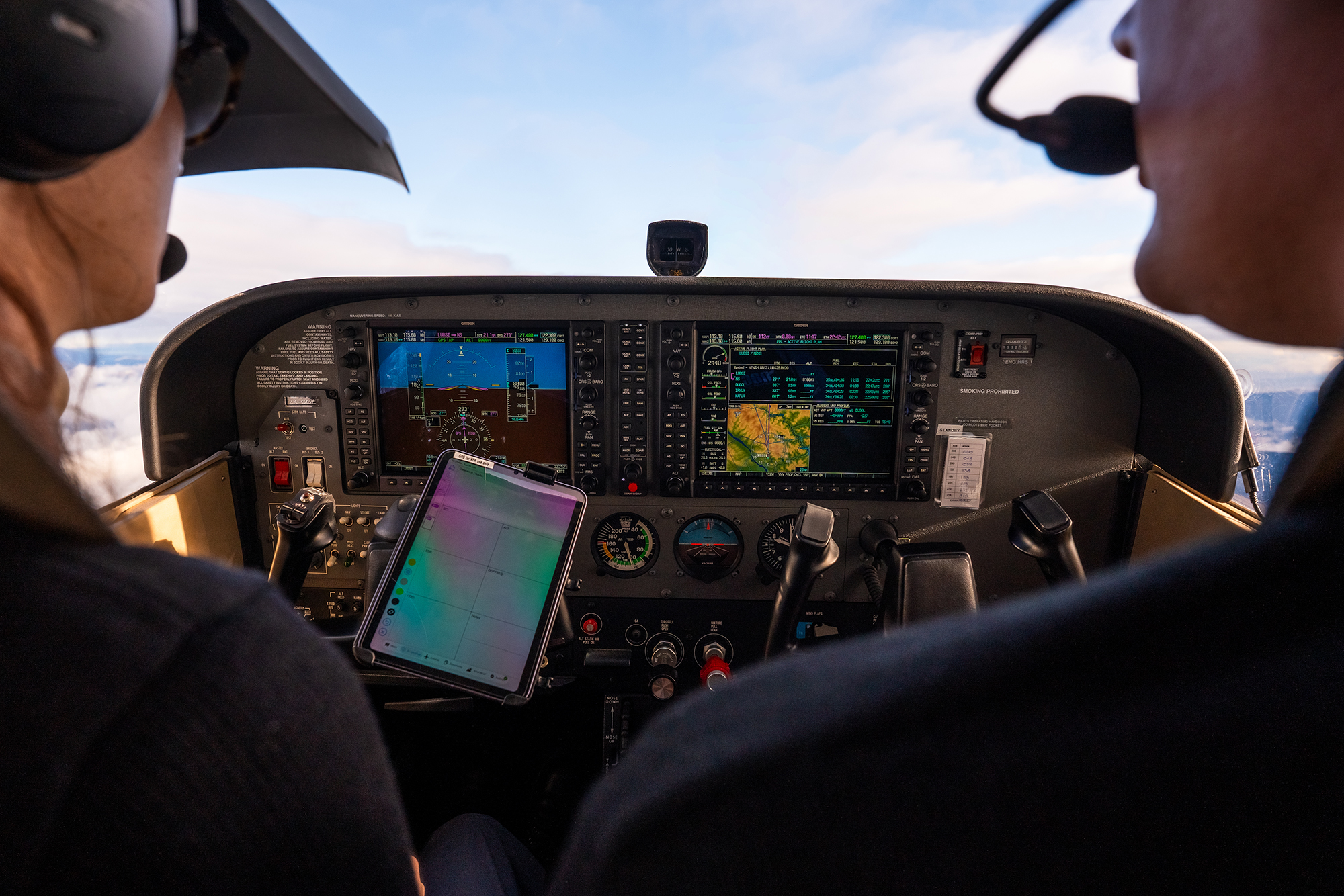
One common question students ask is why we spend so much time repeating emergency procedures.The simple answer is that emergencies rarely occur at a convenient time.
Chief Flying Instructor’s Report
Prepared by: Brad Keay
One common question students ask is why we spend so much time repeating emergency procedures.
The simple answer is that emergencies rarely occur at a convenient time. They often happen when workload is high, stress levels are elevated, and there is little time available to think through the problem. In these situations, your ability to execute a well-practised procedure in a calm and timely manner can make the difference between an orderly outcome and a rapidly deteriorating situation.
However, rote memorisation alone is not enough.
As pilots, we need to understand not only what the procedure is, but why it is structured the way it is. Emergency procedures are generally designed to prioritise the most critical actions first: maintaining control of the aircraft, ensuring continued flight where possible, and then addressing the problem itself. Understanding that logic allows pilots to adapt when circumstances do not perfectly match the textbook scenario. This reinforces a fundamental aviation principle: always Aviate, Navigate, Communicate, in that order.
During your training, challenge yourself to think beyond simply reciting a checklist. Ask why a particular action appears where it does, what hazard it is trying to address, and what the likely outcome would be if it were omitted.
The goal is not to create pilots who can repeat procedures from memory. The goal is to create pilots who understand their aircraft, understand the risks they face, and can apply sound judgement when faced with the unexpected.
Learn the procedure. Practise the procedure. Most importantly, understand the procedure..


.jpg)


.svg)


.png)
